 Rocky Immigration Law Office
Why Do People in Japan Care So Much About Not Bothering Others? Article 1 of the Civil Code
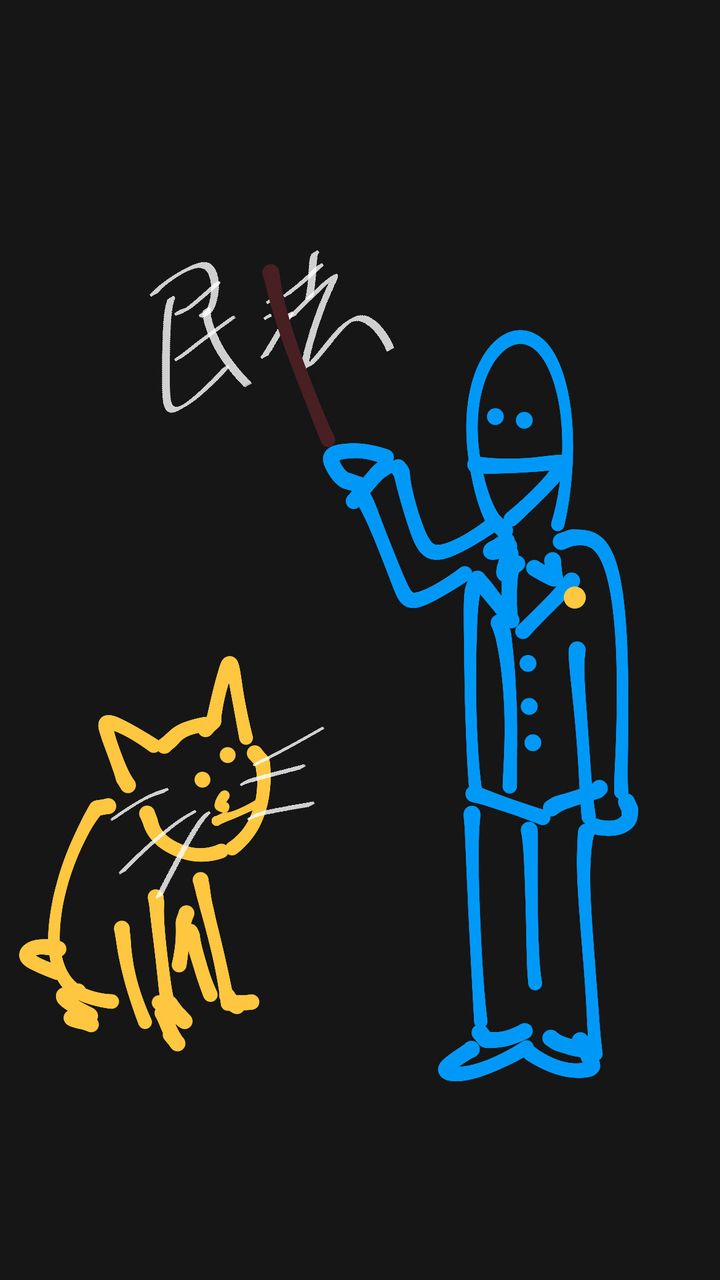
🐱: "Since coming to Japan, I feel like everyone here really cares about not causing trouble for others. Living here, it feels like I always have to fit in with everyone else."
👨🏫: "Actually, the law already explains it."
🐱: "What do you mean?"
👨🏫: "Which law governs relationships between people?"
🐱: "The Civil Code?"
👨🏫: "Exactly. Do you know what Article 1, paragraph 1 of Japan's Civil Code says?"
私権は、公共の福祉に適合しなければならない。
Civil Code of Japan, Art. 1(1): "Private rights must be congruent with the public welfare."
👨🏫: "It doesn't mean your rights don't matter. It means that even when you exercise your own rights, you have to take other people's and society's interests into account. Many people feel Japanese society places great weight on not inconveniencing others, and in a sense that echoes this legal spirit."
🐱: "I see. So law doesn't just regulate behavior; it also reflects what a society values."
What about Taiwan?
Taiwan's Civil Code has a provision in a similar spirit:
權利之行使,不得違反公共利益,或以損害他人為主要目的。
Civil Code of Taiwan, Art. 148(1): rights may not be exercised against the public interest or with the main purpose of harming others.
Both mention the public interest, but Taiwan places it in the chapter on the exercise of rights, with the emphasis on prohibiting abuse of rights, especially exercising them mainly to harm others. Japan puts "public welfare" at the very start of the whole Civil Code, as the basic principle for private rights. The focus is somewhat different.
A country's culture is never decided by a single article, of course. But the values reflected in its laws can help us understand a society better.
Understanding Japan through law.
This article provides general legal information, not legal advice on any individual case. Please consult us about your own situation; for disputes or litigation, consult an attorney.